As television continues to evolve, the way we consume content has seen a dramatic shift. The traditional weekly episode drop has been overtaken by the allure of binge-watching — consuming multiple episodes in one sitting. This phenomenon has changed viewer habits and impacted TV production, creating a new landscape in the entertainment industry.
The Rise of Binge-Watching
Over the past decade, binge-watching has surged in popularity. Streaming platforms like Netflix and Amazon Prime Video have embraced this trend, offering full seasons of shows all at once. This approach caters to viewers' desire for instant gratification, allowing them to watch at their own pace.
Such a shift in viewing habits has been pivotal in shaping how content is produced and distributed. Networks now consider the binge-watching audience when creating new series, often crafting story arcs with cliffhangers that encourage continuous viewing.
Impact on Storytelling and Production
The change in viewer habits has significantly influenced storytelling. Writers and producers are now expected to maintain high levels of engagement throughout an entire season, as opposed to episodic storytelling that can stand alone. This often results in more complex narratives and character development, appealing to audiences who are likely to consume episodes back-to-back.
Moreover, the production schedules have adapted to accommodate these lengthy viewing sessions. Many shows are now filmed with the intent of being watched in a short timeframe, ensuring consistency in tone and pacing across episodes.
Viewer Experience and Psychological Effects
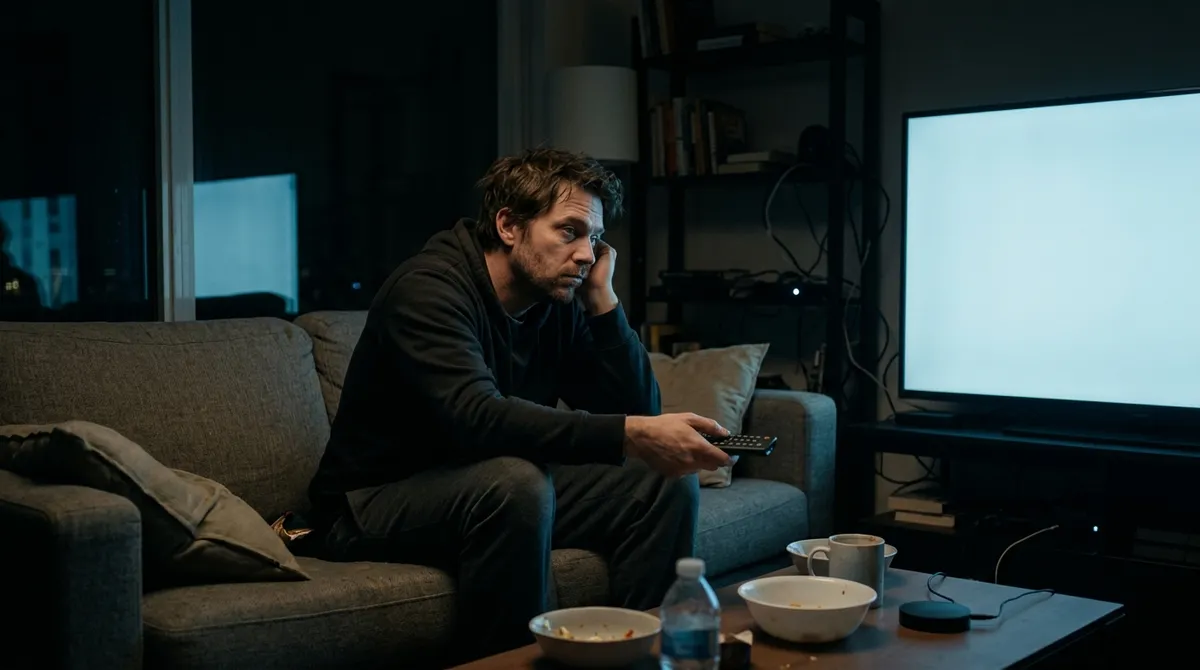
Binge-watching offers an immersive experience that draws viewers into the world of a series. However, it also raises concerns about the psychological effects of prolonged viewing periods. While some studies suggest binge-watching can lead to a temporary escape from reality and stress relief, others warn of potential negative impacts on mental health, including increased anxiety and disrupted sleep patterns.
Understanding these effects is crucial for both viewers and creators. As audiences become more aware of the potential downsides, there is a growing conversation around promoting healthier viewing habits.
The Future of Television Consumption
As binge-watching becomes the norm, the future of television consumption looks set to offer even more personalized viewing experiences. With advances in technology, we're likely to see further innovations that cater to individual preferences, such as customized playlists and interactive storylines.
In this evolving landscape, content creators must continue to adapt, balancing the demands of binge-watchers with the need for sustainable production practices. This dynamic interplay will shape the future of TV entertainment, offering new challenges and opportunities for the industry.
Conclusion
Binge-watching has fundamentally transformed the television industry. While it brings unprecedented freedom and choice for viewers, it also poses challenges in terms of storytelling and viewer well-being. As the industry continues to adapt, it will be fascinating to see how these trends develop and the impact they have on how we engage with content.