AMC's Bold Musical Pivot
AMC's Interview with the Vampire is taking a dramatic turn for its third season, shifting from its previous focus on memory and trauma to embrace a theatrical, music-driven approach centered on Lestat's perspective. According to reports from a recent set visit, The Vampire Lestat represents the show's boldest reinvention yet, transforming Anne Rice's vampire mythology into what's being described as a vampire rock opera.
Music as Storytelling Engine
The season's most significant change lies in how music shapes both the narrative and character development. Reports indicate that Lestat's music becomes both a plot device and a window into his psychology, marking a shift from the introspective confession format of previous seasons to ego-driven performance and rock-star mythmaking.
Composer and co-writer Daniel Hart has reportedly taken on an expanded creative role, moving beyond traditional scoring into the writers' room. According to reports, Hart's involvement has influenced how music shapes not just the soundtrack but the writing, performances, costumes, and overall production design of the series.
From Confession to Performance
While the first two seasons focused on memory, trauma, and confession through Louis's perspective, season 3 reportedly embraces Lestat's unreliable version of events through his musical performances. This shift represents a fundamental change in storytelling approach, moving from intimate psychological drama to theatrical spectacle.
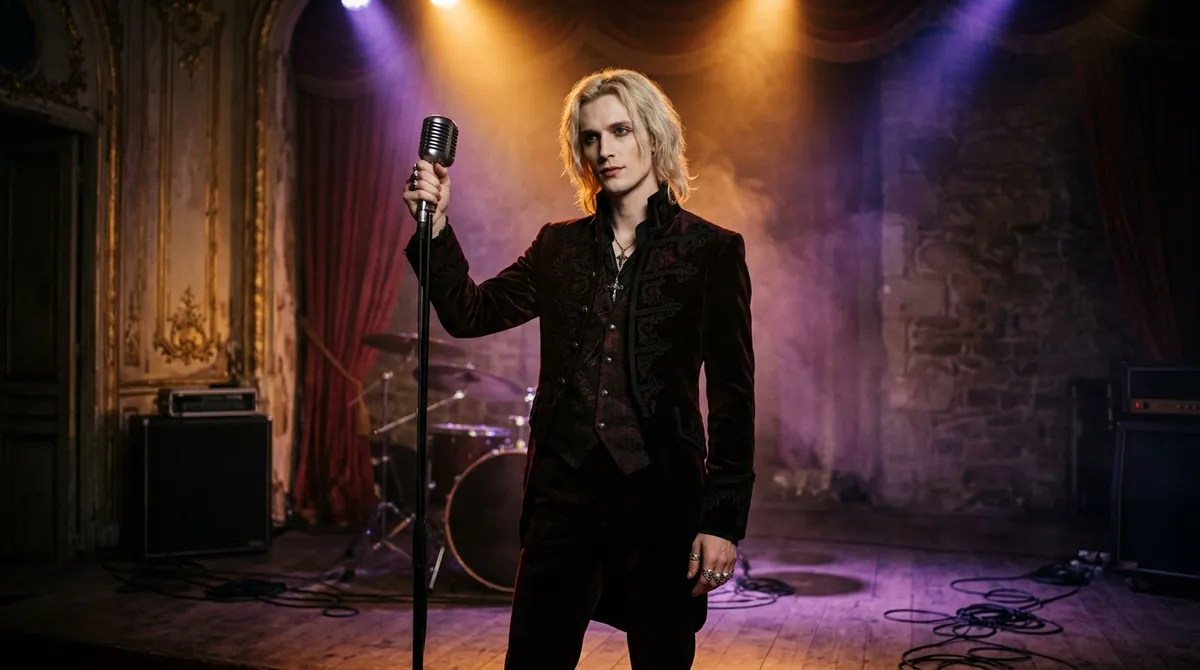
Star Sam Reid's transformation into Lestat the rock star appears to be central to this new direction, according to reports from the set visit. The character's evolution reflects the broader tonal shift the series is undertaking.
Visual and Musical World-Building
The production design for season 3 reportedly spans from French chateaus to rock clubs, creating a visual landscape that supports the music-centric narrative. This expanded setting reflects the show's movement away from the confined, interview-based format of earlier seasons into a more expansive, performance-driven world.
Reports suggest that the music doesn't simply accompany the action but actively drives the storytelling, with Lestat's rock performances serving as both entertainment and character revelation.
Building Anticipation
The reinvention comes as the series builds momentum with teaser releases, casting announcements, and song previews that have reportedly generated significant fan excitement. According to reports, these promotional materials highlight the show's pivot toward its new musical identity.
The timing of these revelations appears strategic, giving audiences insight into the creative process before the season's arrival. The behind-the-scenes look at how the production team developed this musical approach provides context for what promises to be a significant departure from the series' established format.
Creative Collaboration
According to reports, the integration of music into every aspect of production represents unprecedented collaboration between the show's creative departments. Hart's dual role as composer and co-writer reportedly influenced decisions across costume design, set decoration, and performance direction, creating a unified musical vision.
This collaborative approach extends to how the writers' room incorporates musical elements into character development and plot progression, suggesting that season 3's music isn't just atmospheric but integral to the narrative structure.
Series Evolution
The Vampire Lestat represents more than just a seasonal pivot—according to reports, it's positioning itself as a major reinvention of how vampire mythology can be translated to television. The shift from psychological drama to musical theater suggests the series is willing to take significant creative risks to avoid formulaic storytelling.
As the series prepares to debut its most ambitious season yet, the focus on Lestat's perspective through rock opera format promises to deliver a viewing experience that's markedly different from its predecessors while maintaining the Gothic atmosphere that has defined the show.