A Prescient Vision of UFO Culture
Steven Spielberg's 1977 masterpiece Close Encounters of the Third Kind explored themes that seemed like pure science fiction at the time—government secrecy around UFO sightings, institutional cover-ups, and the possibility of extraterrestrial contact. Nearly five decades later, according to reports, these narratives remain strikingly relevant to contemporary discussions about alien phenomena and transparency.
The film's exploration of government secrecy and UFO conspiracy theories has taken on new significance in recent years, as public interest in UFO phenomena has experienced a remarkable resurgence. What once seemed like fringe speculation has entered mainstream discourse, making Spielberg's decades-old vision feel prescient and culturally urgent in 2026.
From Fiction to Reality: Modern UFO Disclosure
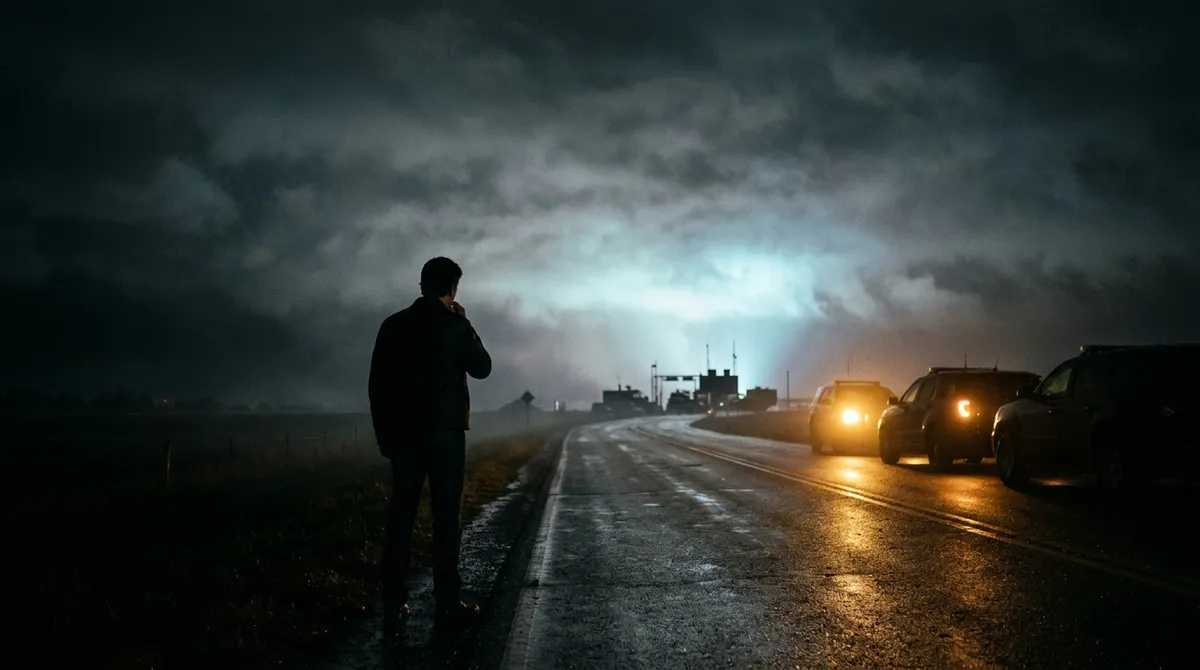
According to reports, the parallels between Spielberg's fictional portrayal and today's real-world conversations are striking. The film depicted ordinary people discovering truth while facing institutional denial—a template that continues to resonate in modern conspiracy narratives. This dynamic has proven remarkably durable, appearing in contemporary discussions about government transparency and the unknown.
The timing couldn't be more relevant, as recent years have witnessed renewed debates about UFO disclosure and government transparency. Reports indicate that 2026's actual declassified UFO reports and congressional hearings echo the very themes Spielberg explored in his landmark film, creating an eerie sense of life imitating art.
Spielberg's Lasting Influence on First Contact Mythology
The director's vision has profoundly shaped how audiences visualize and mythologize potential first contact with extraterrestrial life. Close Encounters didn't just entertain—it helped establish visual and narrative conventions that continue to influence how we imagine alien encounters today.
According to reports, the film's influence extends beyond entertainment into how we conceptualize the psychology of belief itself. The movie tapped into fundamental questions about why audiences, both then and now, are drawn to stories of hidden alien truth and government conspiracies.
The Evolution of UFO Anxiety
The cultural context has shifted dramatically since 1977, yet the core anxieties remain remarkably consistent. Reports suggest that comparing the film's original 1977 concerns about government secrecy to 2026's actual UFO disclosure movements reveals both continuity and evolution in public consciousness about these issues.
What's particularly fascinating is how Spielberg anticipated modern UFO disclosure culture decades before it became a legitimate subject of congressional hearings and official government reports. The film's portrayal of institutional resistance to transparency seems almost prophetic given today's ongoing debates about what governments know about unexplained aerial phenomena.
Contemporary Relevance and Cultural Impact
The enduring relevance of Close Encounters speaks to broader themes about truth, authority, and the unknown that transcend any particular era. According to reports, the film's exploration of how ordinary people respond to extraordinary circumstances continues to resonate with audiences navigating their own uncertain times.
The movie's template of institutional denial versus individual discovery has become a foundational narrative structure for conspiracy theories across multiple domains, not just UFOs. This suggests Spielberg tapped into something deeper than just alien mythology—he captured a fundamental tension between official narratives and personal experience.
Looking Forward: Art Predicting Reality
As we navigate an era where science fiction increasingly feels like documentary preview, Close Encounters of the Third Kind stands as a remarkable example of entertainment predicting cultural conversations. The film's themes of government secrecy, public skepticism, and the search for truth have proven remarkably durable.
Reports indicate that creators today can draw meaningful parallels between Spielberg's fictional government cover-ups and modern UFO disclosure movements, examining how science fiction anticipated real-world conversations about transparency and the unknown that we're having right now.
The fact that a 1977 film about alien contact feels more relevant than ever in 2026 suggests that Spielberg didn't just make a great movie—he created a cultural touchstone that continues to illuminate our ongoing relationship with mystery, authority, and the possibility that we're not alone.