
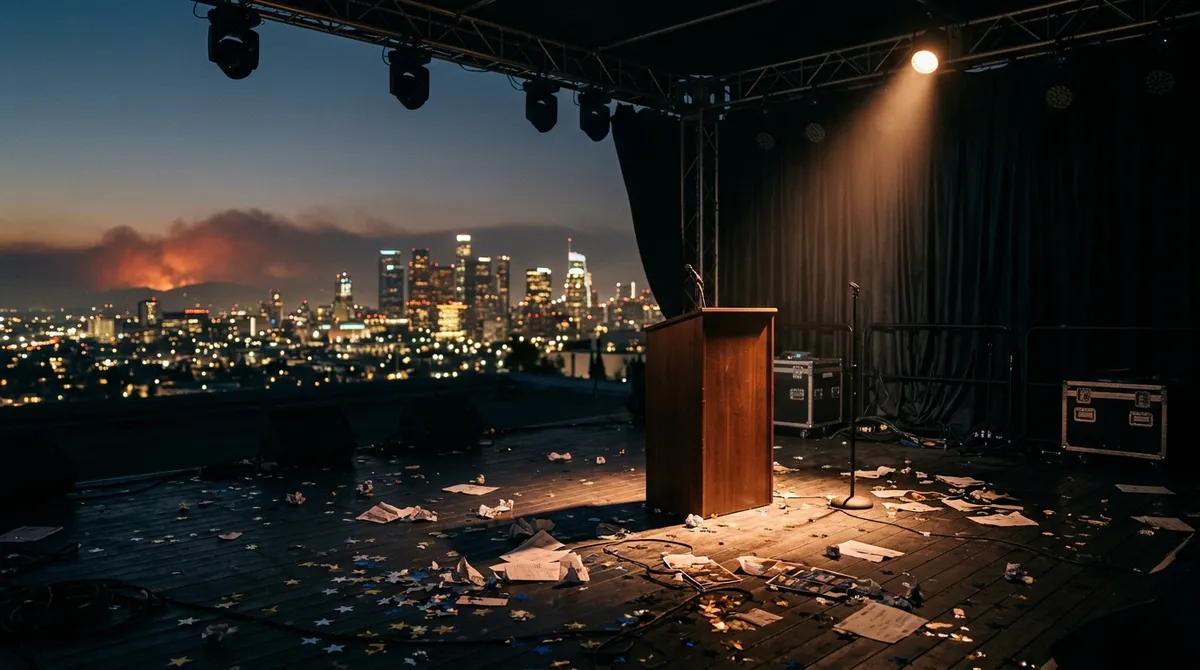
Celebrity Campaign Comes to an End
Spencer Pratt's high-profile bid for Los Angeles mayor has officially ended after the reality TV star failed to advance beyond the June 2026 primary election. According to reports, Pratt finished third in the race, falling short of securing a spot in the November runoff election.
The final matchup will feature incumbent Mayor Karen Bass and City Councilmember Nithya Raman, leaving Pratt's anti-establishment campaign without a path forward to the general election.
Fire Tragedy Sparked Political Ambitions
Pratt's entry into the mayoral race followed a personal tragedy when the 2025 Palisades Fire destroyed his home. The devastating loss became a catalyst for his political aspirations, as he positioned himself as an outsider candidate focused on fighting what he characterized as systemic corruption in city government.
The former "Hills" star leveraged his personal experience with the fire's aftermath to build his campaign platform, though initial momentum failed to translate into sufficient voter support to advance past the primary.
Mail-In Ballot Counting Affects Race Dynamics
According to reports, mail-in ballot counting played a role in shifting the race outcome and affected Pratt's campaign narrative as results were tallied. The extended counting process, typical in California elections with high mail-in ballot usage, created uncertainty around final positioning until all votes were processed.
Celebrity Endorsements Reveal Political Divisions
Pratt's campaign highlighted the polarized nature of celebrity political involvement, with endorsements splitting along predictable lines. Reports indicate that figures like Donald Trump and Katharine McPhee supported his candidacy, while personalities such as Jimmy Kimmel and Chelsea Handler opposed his bid.
This divide in celebrity backing reflected broader political tensions and demonstrated how even reality TV figures can become lightning rods in contemporary political discourse.
The Challenge of Celebrity Political Viability
Despite significant media attention throughout his campaign, Pratt's loss underscores the persistent gap between celebrity name recognition and actual electoral success. His third-place finish suggests that fame alone cannot overcome the complexities of municipal politics and voter priorities.
The campaign also revealed contradictions in political positioning, as Pratt promoted himself as an "independent" candidate despite his Republican registration and backing from conservative figures. This tension between image and political reality may have contributed to voter confusion about his actual policy positions.
Implications for Celebrity Politics
Pratt's unsuccessful mayoral bid adds to a growing list of celebrity political campaigns that have struggled to convert entertainment industry prominence into electoral victory. The results suggest that voters in major metropolitan areas like Los Angeles may be increasingly skeptical of candidates whose primary qualification is fame rather than political or policy experience.
The campaign's focus on disaster response and accountability issues stemming from the Palisades Fire did tap into legitimate concerns among Los Angeles residents. However, these policy-focused elements appear to have been overshadowed by the spectacle of celebrity involvement in serious municipal governance.
Looking Ahead
With Pratt eliminated from contention, the November election will proceed as a contest between two established political figures. Bass, the incumbent, will face Raman in what promises to be a more traditional campaign focused on municipal policy issues rather than celebrity drama.
The outcome of Pratt's campaign serves as another data point in the ongoing conversation about celebrity involvement in politics and the electorate's appetite for non-traditional candidates in serious governmental roles.