
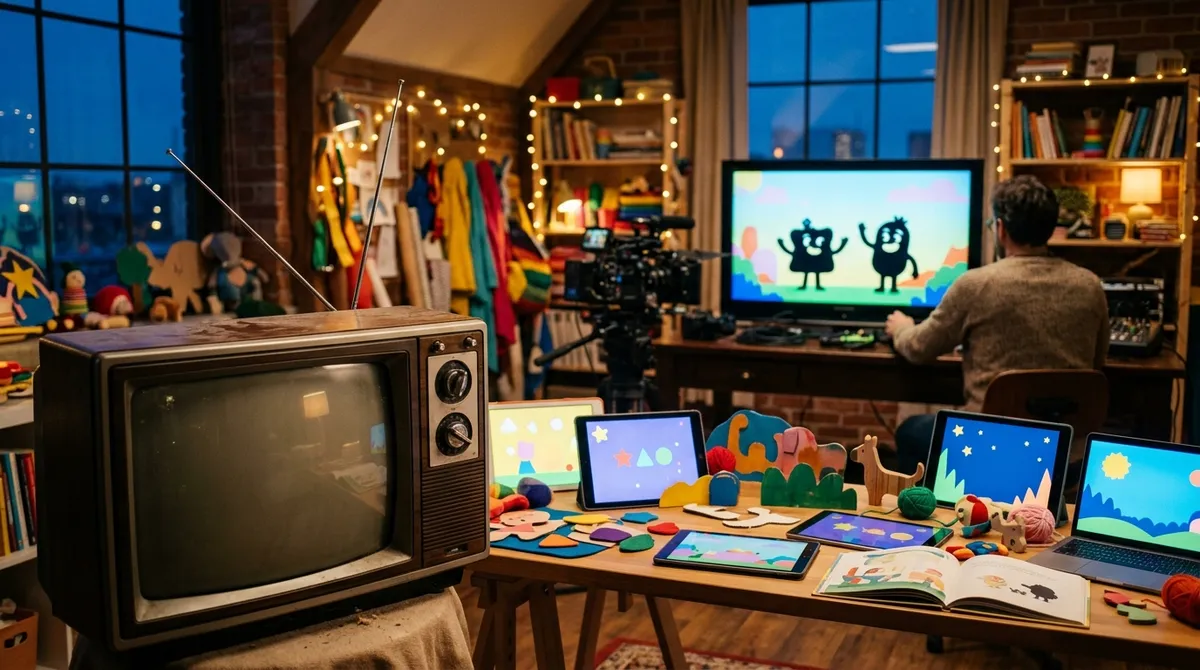
PBS is facing significant changes in its children's programming division, reflecting broader trends in the industry. These shifts are impacting beloved shows, with implications for audiences and content creators alike.
Transformations in PBS Children's Programming
In recent years, PBS has been a staple in children's education through television, offering a range of shows that blend entertainment with learning. However, recent decisions have led to the cancellation of some programs, sparking concern among parents and educators. These changes are part of a larger strategy to reallocate resources, improve digital engagement, and address evolving viewer habits.
The Impact on Beloved Shows
One of the most notable changes is the discontinuation of specific longstanding shows. This decision, while difficult, aligns with PBS's strategy to innovate and adapt to the digital age. The network aims to focus on content that resonates with today's tech-savvy children, emphasizing interactive and online platforms over traditional broadcasting.
Adapting to Digital Preferences
PBS's shift mirrors a broader industry trend where networks are investing more heavily in digital content. With increasing access to tablets and smartphones, children are consuming media differently than previous generations. This change in behavior necessitates a revised approach to content delivery, prompting networks like PBS to prioritize digital-first strategies that can engage young audiences on their preferred platforms.
Challenges and Opportunities
While the transition to digital offers numerous opportunities, it also presents challenges. Ensuring quality educational value while maintaining viewer engagement is crucial. PBS remains committed to its educational mission, seeking new ways to integrate learning into digital formats. This includes developing apps and interactive games that complement traditional programming, ensuring that the educational goals of PBS are met across all platforms.
Collaborations and Future Directions
Looking ahead, PBS is exploring partnerships with tech companies to enhance its digital offerings. Collaborations could lead to innovative educational tools and content that appeal to both children and parents. By leveraging technology, PBS aims to create a more dynamic and personalized learning experience, keeping pace with the rapidly changing media landscape.
Conclusion
The changes in PBS's children's programming underscore the network's commitment to evolving with the times while staying true to its educational roots. As the media landscape continues to shift, PBS is poised to lead with innovative solutions that meet the needs of modern families. By embracing digital transformation, PBS is setting the stage for a new era of children's educational content, ensuring that learning remains engaging and accessible for all.