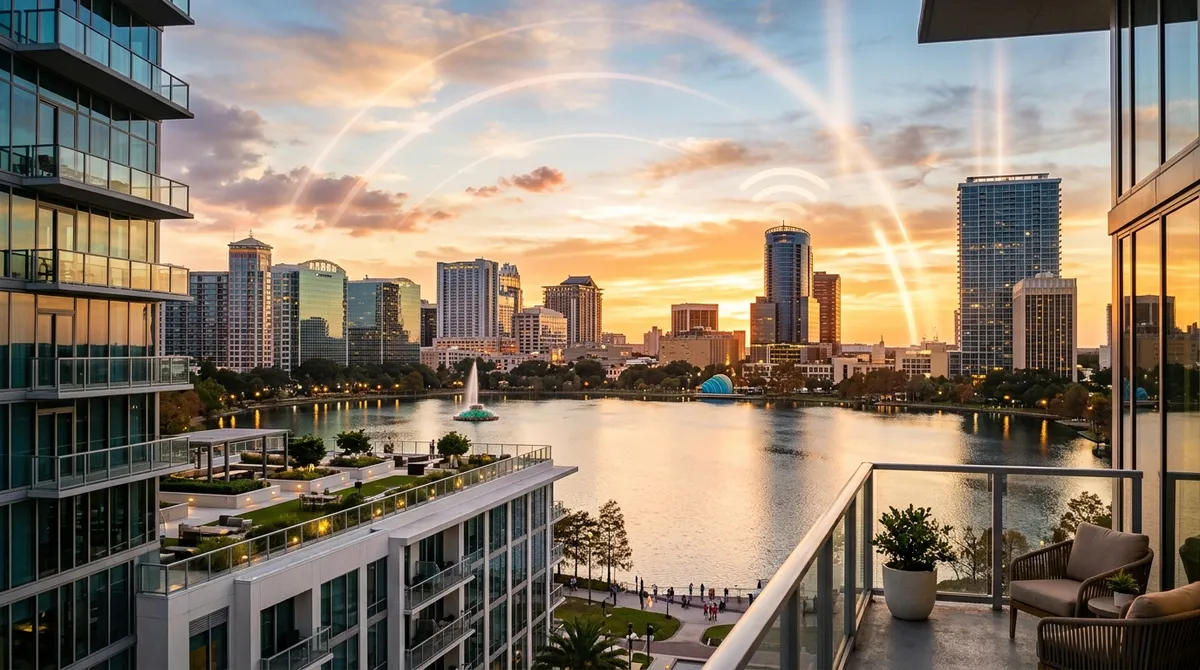
Central Florida is usually viewed through the lens of tourism, housing growth, and theme parks. For investors, however, the region also offers a quieter opportunity inside the local broadcasting business. Graham Holdings, traded on the NYSE under GHC, owns WKMG-TV in Orlando through Graham Media Group. That station gives the company exposure to one of the most active media and advertising markets in the Southeast.
Why Central Florida Matters to Media Investors
The Orlando television market is more than a tourist destination with nightly news coverage. It serves a broad and fast-changing audience across Orlando, Daytona Beach, Melbourne, and surrounding communities. Population growth, business expansion, sports interest, severe weather coverage, and election spending all support demand for trusted local media.
This matters because local television remains valuable even as national viewing habits shift. Audiences may watch fewer traditional prime-time shows, but they still turn to local stations for hurricanes, breaking news, school updates, community events, and live sports. Advertisers understand that reach. Political campaigns understand it even more.
For a diversified company like Graham Holdings, a strong local television asset can be easy to overlook. The company is not a pure-play broadcaster. Its portfolio includes education, manufacturing, automotive businesses, healthcare interests, and other holdings. That mix can cause investors to miss the economic power of its media operations.
Graham Holdings Is Not a Typical Media Stock
Graham Holdings has a long history in publishing and media, but today it operates as a diversified holding company. Its ownership structure and capital allocation style also differ from many public companies. Management has often preferred disciplined acquisitions, long-term operations, and careful balance sheet management over flashy expansion.
That approach can make the stock less obvious to momentum investors. It does not always fit neatly into a single sector screen. Analysts may compare it with education companies, media groups, or investment holding companies, depending on which segment they emphasize. Yet the value of its broadcasting division remains important.
Graham Media Group operates several well-known local television stations in major and midsized U.S. markets. WKMG-TV, the CBS affiliate in Orlando, is one of those assets. Its position in Central Florida gives it access to a dynamic advertising base and a large local audience.
The Business Model Behind Local Television
Local TV stations generate revenue from several sources. Traditional advertising remains a key driver. Local businesses, car dealers, hospitals, legal services, restaurants, and retailers buy airtime to reach nearby consumers. The value of that airtime rises when a station has trusted news programming and strong local reach.
Political advertising is another major factor. Florida is frequently important in election cycles, and Central Florida often receives heavy campaign attention. During election years, stations in competitive markets can see meaningful increases in political ad spending. That revenue can be uneven, but it can also be highly profitable.
Retransmission fees add another layer. Cable, satellite, and digital pay-TV distributors pay local broadcasters for the right to carry their signals. These fees have become an important part of the industry. They help offset pressure from weaker traditional advertising in some periods.
Digital revenue is also growing. Local stations now publish news through apps, websites, streaming channels, social platforms, and connected TV products. While digital dollars may not fully replace legacy broadcast economics, they extend the station's brand across more screens.
WKMG-TV and the Orlando Advantage
WKMG-TV benefits from being located in a market with many newsworthy themes. Weather coverage is crucial in Florida. Hurricanes, tropical storms, extreme heat, and daily summer thunderstorms create a constant need for accurate local information. Stations with experienced weather teams can build lasting viewer loyalty.
Orlando also has a large service economy. Tourism, hospitality, transportation, healthcare, real estate, and entertainment all create advertising demand. Local businesses compete heavily for visibility, and television can still offer broad brand exposure in a crowded market.
The region's population growth adds another positive element. More residents mean more households, more consumer spending, and more civic activity. New arrivals also need local information. That supports news consumption and creates opportunities for advertisers trying to reach expanding neighborhoods.
Sports and major events can further strengthen a broadcaster's relevance. Between college sports, professional teams in the broader region, and national sports programming tied to network affiliations, live programming helps local stations remain important. Live content is harder for viewers to replace with on-demand streaming.
Why the Asset May Be Undervalued
Investors often discount legacy media companies because cord-cutting remains a real concern. Traditional pay-TV subscriptions have declined for years. That trend pressures some parts of the broadcast ecosystem. However, the market can sometimes apply a broad negative view without separating weaker assets from stronger local franchises.
A station in a growing market with a strong network affiliation may deserve a better assessment than the industry average. Central Florida's demographics, advertising base, and political importance can make WKMG-TV more resilient than stations in slower-growth regions.
Graham Holdings' structure may also contribute to a valuation gap. Because the company owns many different businesses, investors must analyze each segment separately. That takes work. When a company is complex, the market can undervalue individual pieces that would look more attractive on their own.
This is especially relevant for investors studying Graham Holdings stock. The broadcasting segment is not the only reason to follow GHC, but it can provide steady cash flow. Those cash flows can support reinvestment, acquisitions, share repurchases, or balance sheet flexibility.
Risks Investors Should Watch
No investment case is complete without the risks. Local television faces competition from streaming platforms, social media, national digital advertising, and changing consumer habits. Younger viewers often get news from mobile devices rather than scheduled broadcasts.
Advertising is also cyclical. If local businesses reduce marketing budgets, stations can feel the impact quickly. Automotive advertising, historically important for local TV, can fluctuate with interest rates, inventory levels, and consumer confidence.
Retransmission revenue carries its own challenges. Negotiations with distributors can be difficult, and continued pay-TV subscriber losses may limit long-term growth. Broadcasters must keep proving the value of their programming to distributors and audiences.
Another risk is complexity. Graham Holdings owns a mix of businesses with different growth profiles and margin structures. Investors who focus only on the television asset may miss issues in other segments. A complete view of the company requires reviewing consolidated results, segment performance, cash flow, debt, and capital allocation decisions.
What Long-Term Investors Should Consider
For patient investors, the key question is not whether traditional television is growing like a technology platform. It is whether selected stations can continue producing durable cash flow while adapting to digital distribution. In strong local markets, that answer may be more favorable than the headlines suggest.
Graham Holdings offers an unusual way to gain exposure to that theme. Its Orlando station sits inside a broader portfolio, so the investment case depends on more than one asset. Still, Central Florida media exposure can add meaningful strategic value.
Investors should monitor several indicators. Local advertising trends are important. Political spending during election cycles can also reveal the station's earning power. Retransmission fee trends, digital audience growth, and operating margins provide additional clues.
It is also worth watching management's capital allocation. Graham Holdings has historically taken a long-term view. If cash from established assets supports attractive acquisitions or shareholder returns, the market may eventually recognize more value.
Conclusion
Central Florida's television market may not be the first place investors look for opportunity. Yet WKMG-TV gives Graham Holdings a valuable foothold in a growing and commercially active region. Local news, political advertising, weather coverage, retransmission fees, and digital expansion all help explain why this asset deserves attention.
Graham Holdings remains a diversified company, not a simple broadcast stock. That complexity can make analysis harder, but it can also create opportunity for investors willing to look beneath the surface. In a market often focused on high-profile technology names, steady local media cash flow can still play an important role in long-term value creation.