
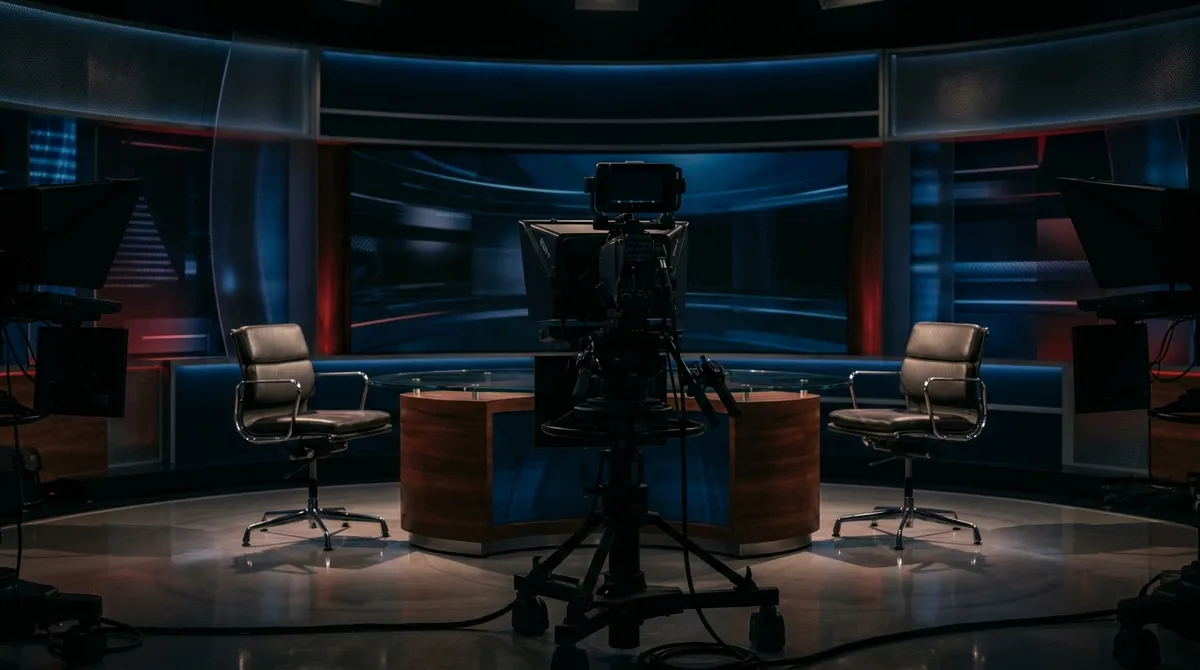
The Federal Communications Commission (FCC) is at the center of a debate regarding its "equal time" rule, as political candidates increasingly seek opportunities to appear on popular television talk shows. This regulation stipulates that broadcasters must provide equal airtime to all qualified political candidates if they allow any candidate to use their station. Recent discussions have intensified as former President Donald Trump continues to feature prominently on various shows, raising questions about how the rule is applied in the evolving media landscape.
Understanding the Equal Time Rule
The equal time rule, a longstanding FCC regulation, aims to ensure fairness in broadcasting by requiring stations to offer equivalent opportunities to all political candidates. This rule is pivotal during election seasons, as it seeks to prevent any single candidate from gaining an unfair advantage through media exposure. While the rule does not mandate that every candidate receive identical airtime, it requires any station that provides time to one candidate to afford others a similar opportunity.
Exceptions to the Rule
Despite its broad scope, the equal time rule includes several exceptions. News programs, interviews, and documentaries, for example, are generally exempt. These exceptions allow broadcasters to feature candidates without triggering the requirement for equal airtime. Talk shows often fall into a gray area, as they might be considered entertainment or news, depending on the show's format and content.
Recent Developments and Controversies
Recent appearances by Donald Trump on various talk shows have reignited discussions on the rule's relevance and application. Critics argue that these appearances provide significant exposure, potentially influencing voter perceptions. This situation has prompted some to call for a reevaluation of the FCC's regulations to address the unique challenges posed by modern media.
The Impact of Media Evolution
The media landscape has changed dramatically with the rise of digital platforms and streaming services. This evolution has complicated the enforcement of traditional broadcasting rules like the equal time provision. As audiences increasingly consume content online, the lines between news and entertainment blur, making it challenging to apply the rule consistently.
Calls for Regulatory Reassessment
In light of these changes, there are growing calls for the FCC to reassess its regulations. Advocates suggest updating the rules to reflect the current media environment, ensuring they account for both traditional broadcasts and digital platforms. This reassessment could help maintain a fair political playing field while accommodating new forms of media consumption.
Future Implications for Political Campaigns
As the 2024 election cycle approaches, the application of the equal time rule will likely continue to stir debate. Political campaigns are increasingly leveraging media appearances to reach voters, making the fair application of the rule more critical than ever. Ensuring equitable access to media can help promote a healthy democratic process, fostering informed voter decisions.
Conclusion
The ongoing discussions surrounding the FCC's equal time rule highlight the complex interplay between media, politics, and regulation. As the media landscape evolves, so too must the rules governing it. By reassessing and potentially updating these regulations, the FCC can ensure that all political candidates have a fair chance to engage with the electorate, promoting a balanced and informed democratic process.