
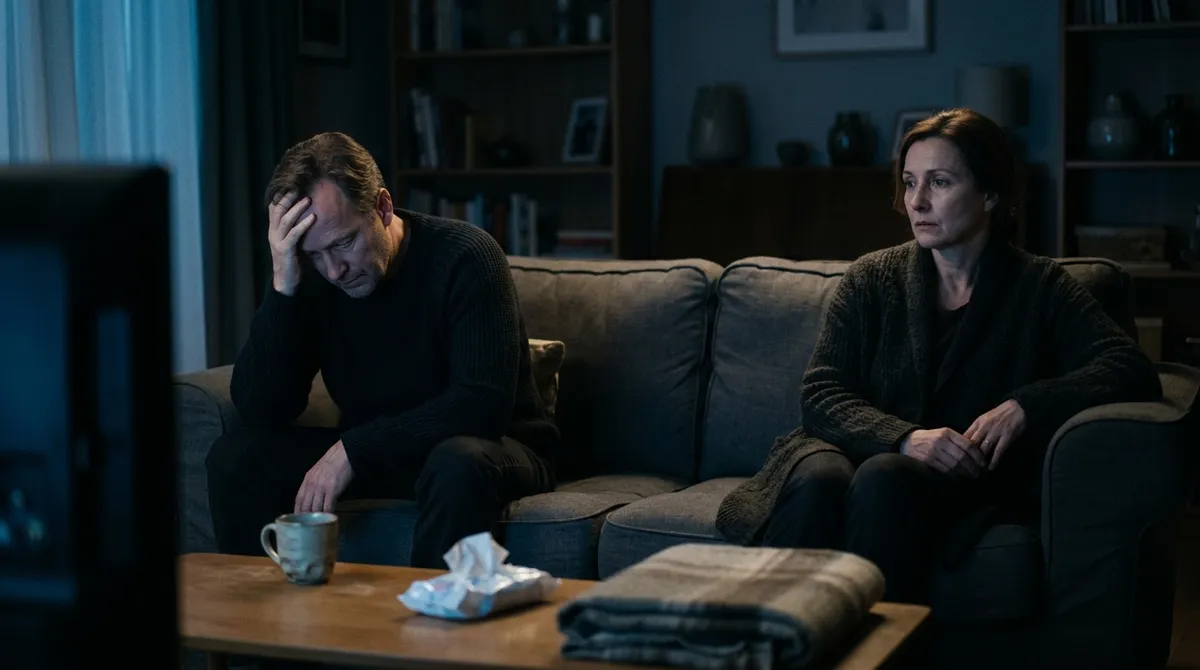
Television has long shaped how audiences understand family life, illness and grief. Now, more dramas and soaps are giving space to baby loss, including miscarriage, stillbirth, ectopic pregnancy and neonatal death. When these stories are written with care, they can help bereaved parents feel seen and encourage others to speak with more compassion.
Why baby loss on TV matters
Baby loss is common, yet many families still experience it in silence. In the UK, around one in four pregnancies ends in miscarriage. Stillbirth affects thousands of families each year, and neonatal death brings heartbreak shortly after birth. These experiences are not rare, but they are often hidden from everyday conversation.
That gap is why screen representation carries real weight. A storyline can reach people who may never read a medical leaflet or visit a support website. It can also give language to viewers who are struggling to describe their own loss. For some, seeing a character grieve may be the first time they feel their pain has been acknowledged.
Television cannot remove the trauma of baby loss. However, it can challenge the idea that parents should recover quickly or grieve privately. It can show that loss affects partners, siblings, grandparents and friendships. It can also reveal how grief returns during due dates, anniversaries, new pregnancies and ordinary family moments.
The shift from plot twist to honest storytelling
For years, pregnancy loss was often used as a dramatic turning point. A miscarriage might appear in one episode and disappear by the next. Stillbirth could be presented as a shocking twist rather than a life-changing bereavement. That approach may create tension, but it rarely reflects the reality families face.
Newer portrayals are more likely to linger on the emotional aftermath. Viewers now see hospital appointments, difficult conversations and the painful quiet that follows bad news. They may see parents return home to baby clothes, scan photos and unanswered messages. These details matter because grief often lives in the ordinary things left behind.
Long-running soaps have played an important role in this change. Their format allows viewers to follow characters over months or years. That gives writers room to show grief beyond the initial crisis. A parent may seem functional at work, then break down on a significant date. A couple may love each other deeply but grieve in incompatible ways.
High-profile dramas have also widened the conversation. Some focus on medical trauma. Others explore how loss affects identity, confidence and future pregnancy. Together, these stories can build public understanding, especially when production teams consult bereavement charities, clinicians and parents with lived experience.
What realistic baby loss representation should include
Authentic storytelling begins with emotional honesty. Not every parent reacts in the same way. Some cry immediately. Others feel numb. Some want to talk. Others withdraw. A sensitive script avoids suggesting there is a correct way to grieve.
It should also include partners and non-birthing parents. Their grief is sometimes overlooked, both on screen and in real life. They may feel pressure to stay strong, manage practical tasks or protect the person who gave birth. This can leave them isolated, even while they are also mourning.
Medical language matters too. Terms such as miscarriage, stillbirth, ectopic pregnancy and neonatal death have different meanings. Using them correctly helps viewers understand what has happened. It also respects families who know how painful those distinctions can be.
Good representation avoids neat endings. Support, therapy and time can help, but grief does not vanish after one conversation. Parents may move forward while still carrying their baby in memory. They may laugh again, return to work and build a family, yet still feel the loss deeply.
The importance of showing support
TV storylines can do more than depict pain. They can show where help exists. Characters might contact a bereavement midwife, attend a support group or speak with a charity helpline. These scenes can guide viewers toward real-world support without feeling like a public information film.
In the UK, organisations such as Sands, Tommy's and The Miscarriage Association provide information and emotional support. They also help workplaces, families and healthcare professionals understand what bereaved parents need. When TV dramas highlight support, they can reduce shame and encourage people to seek help sooner.
The risks of getting it wrong
Baby loss is a deeply sensitive subject. If handled carelessly, it can harm viewers who have lived through similar experiences. Graphic scenes without warning may be distressing. Rushed storylines can make bereaved families feel dismissed. Overly sensational plots can reinforce fear around pregnancy.
Writers also need to avoid using loss only to develop another character. A baby's death should not exist simply to make a relationship more dramatic or to create sympathy for someone else. The parents' experience should remain central. Their grief deserves depth, time and respect.
Trigger warnings can also help. They do not weaken storytelling. Instead, they give viewers choice. Someone who has recently lost a baby may not be ready to watch a similar scene. Another person may choose to watch because they want to feel less alone. Clear signposting allows both responses.
How viewers respond to baby loss storylines
Audience reaction often shows how needed these stories are. After emotional episodes, social media frequently fills with parents sharing their own experiences. Some describe feeling understood for the first time. Others explain that a scene helped relatives grasp the scale of their grief.
These conversations can be powerful. They remind people that baby loss is not a niche issue. It touches families across ages, backgrounds and communities. Public discussion can also challenge harmful comments, such as telling parents they can try again or that everything happens for a reason.
At the same time, viewers may disagree about specific portrayals. Some want more restraint. Others value raw honesty. This range of response is understandable. Baby loss is personal, and no single storyline can represent every family. The best television acknowledges that complexity rather than offering one universal version of grief.
Why compassion must continue after the credits
The impact of a baby loss storyline should not end when the episode finishes. Broadcasters can provide helpline details and support links. Producers can involve charities early in the writing process. Actors can approach performances with sensitivity rather than melodrama. Publicity teams can avoid promoting the storyline as a shock reveal.
Viewers also have a role. If someone shares their loss after watching a programme, they need listening, not quick reassurance. Simple words can help. Acknowledge the baby. Use the baby's name if the parents do. Ask what support would feel useful. Avoid minimising the loss, even if it happened early in pregnancy.
Workplaces, families and friendship groups can learn from these stories too. Bereaved parents may need time off, flexible plans and ongoing understanding. Grief does not follow a broadcast schedule. It can resurface long after everyone else assumes life has returned to normal.
Conclusion
Responsible television can transform how society talks about baby loss. It can move the subject out of silence and into a more compassionate public conversation. The strongest storylines do not treat miscarriage, stillbirth or neonatal death as brief drama. They recognise them as profound losses that change families forever.
When writers, broadcasters and actors approach the subject with care, they offer more than representation. They create space for grief, memory and support. For viewers who have carried this pain quietly, that space can matter more than any plot twist.